


Living rooms are the heart of any home, and your living room flooring plays a crucial role in creating a welcoming, comfortable space. Luxury Vinyl Tile (LVT) has become increasingly popular among UK homeowners for its durability, style, and ease of maintenance. If you’ve invested in LVT flooring for your living room, understanding proper care is key to preserving its beauty and longevity.
What Makes LVT Flooring Unique?
LVT is a modern luxury vinyl flooring solution that combines sophisticated design with exceptional practicality. Manufactured using multiple layers of vinyl, these tiles offer remarkable resilience against daily wear and tear. Unlike traditional hardwood or carpet, LVT provides a 100% water-resistant, scratch-resistant surface perfect for busy living spaces.
LVT presents an ideal flooring option that withstands the UK's variable weather and high-traffic demands. Its multilayer construction includes a protective wear layer that resists scuffs, stains, and minor impacts, making it a best option for families and pet owners.
Benefits of Luxury Vinyl Tiles in Living Rooms
Luxury Vinyl Tiles (LVT) are an excellent choice for living rooms due to their numerous benefits. One of the primary advantages of LVT is its durability and hard-wearing nature, making it perfect for high-traffic areas. Additionally, LVT is water-resistant, slip-resistant, and easy to clean, reducing the risk of accidents and maintenance costs. LVT also offers a wide range of styles, colours, and designs, allowing homeowners to choose the perfect flooring that complements their living room’s décor.
Choosing the Right Living Room Flooring
Choosing the right living room LVT flooring can be a daunting task, but with the right guidance, it can be a breeze. When selecting a living room flooring, consider factors such as lifestyle, personal style, and budget. Luxury vinyl flooring is an excellent option for living rooms due to their durability, water-resistance, and ease of maintenance. It’s also essential to think about the room’s purpose and foot traffic. For example, if you have young children, a slip-resistant and hard-wearing flooring like LVT is ideal. Don’t forget to request free samples to see how the new flooring looks in your living room before making a final decision.
Installing LVT Flooring
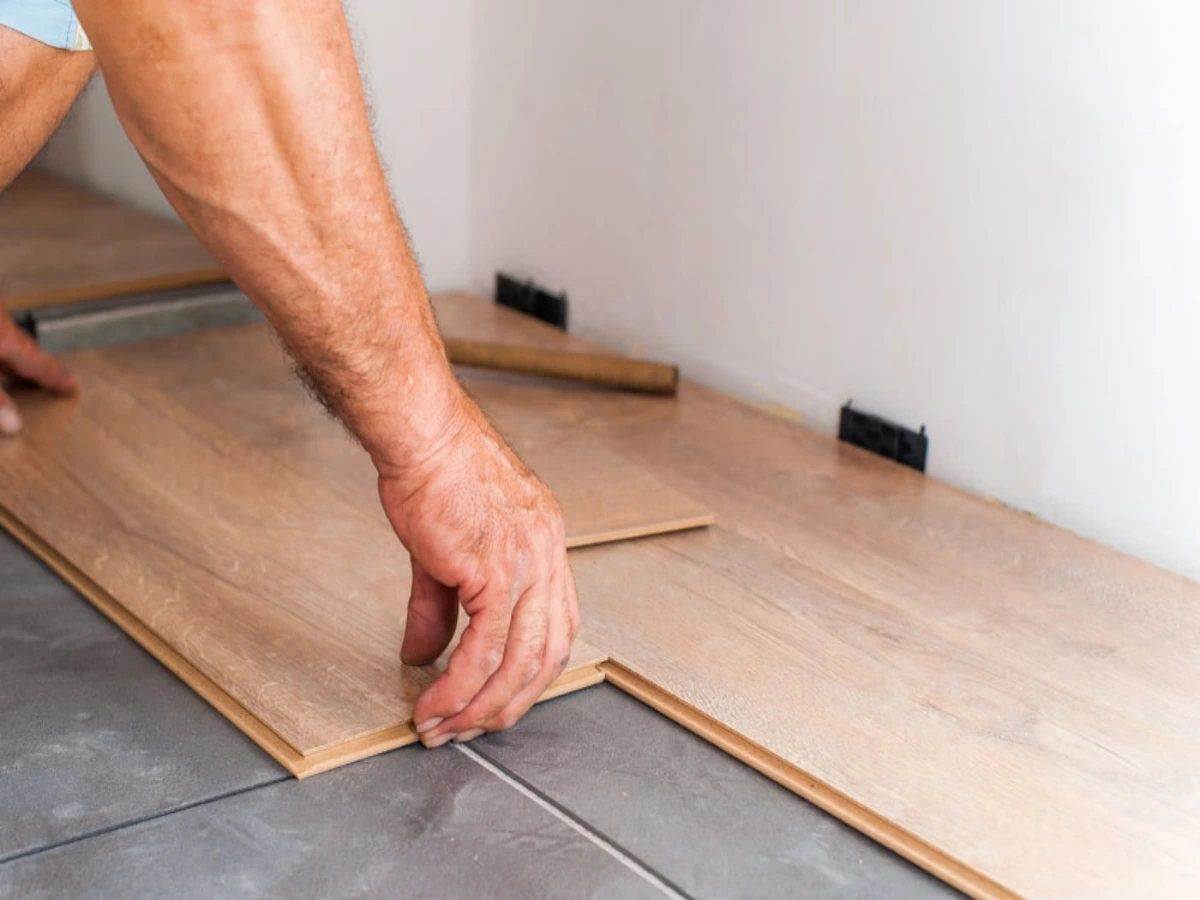
Installing LVT flooring is a relatively straightforward process that can be done DIY or with the help of a professional. Before starting the installation, ensure the subfloor is level, clean, and dry. It’s also essential to check the manufacturer’s instructions for specific installation requirements.
Underlayment and Subfloor Preparation
Proper underlayment and subfloor preparation are crucial for a successful LVT flooring installation. The underlayment provides a smooth, even surface for the LVT flooring to sit on, while the subfloor ensures the flooring is stable and secure. Check the manufacturer’s instructions for recommended underlayment materials and thickness. You’ll also find many LVT solutions that include a layer of underlay pre-fitted to the planks.
Routine Care for LVT Floors
Maintaining your living room LVT flooring doesn’t require an intensive cleaning regimen. Instead, consistent and thoughtful care will preserve its appearance and functionality for years to come. Daily maintenance is straightforward and can be easily integrated into your regular household cleaning routine.
Begin with simple preventative measures. Use a soft broom or vacuum with a soft attachment to remove dust and loose dirt. This crucial first step prevents small particles from scratching the surface during more intensive cleaning. Pay special attention to high-traffic areas and entryways where dirt accumulates most rapidly.
Cleaning Fundamentals
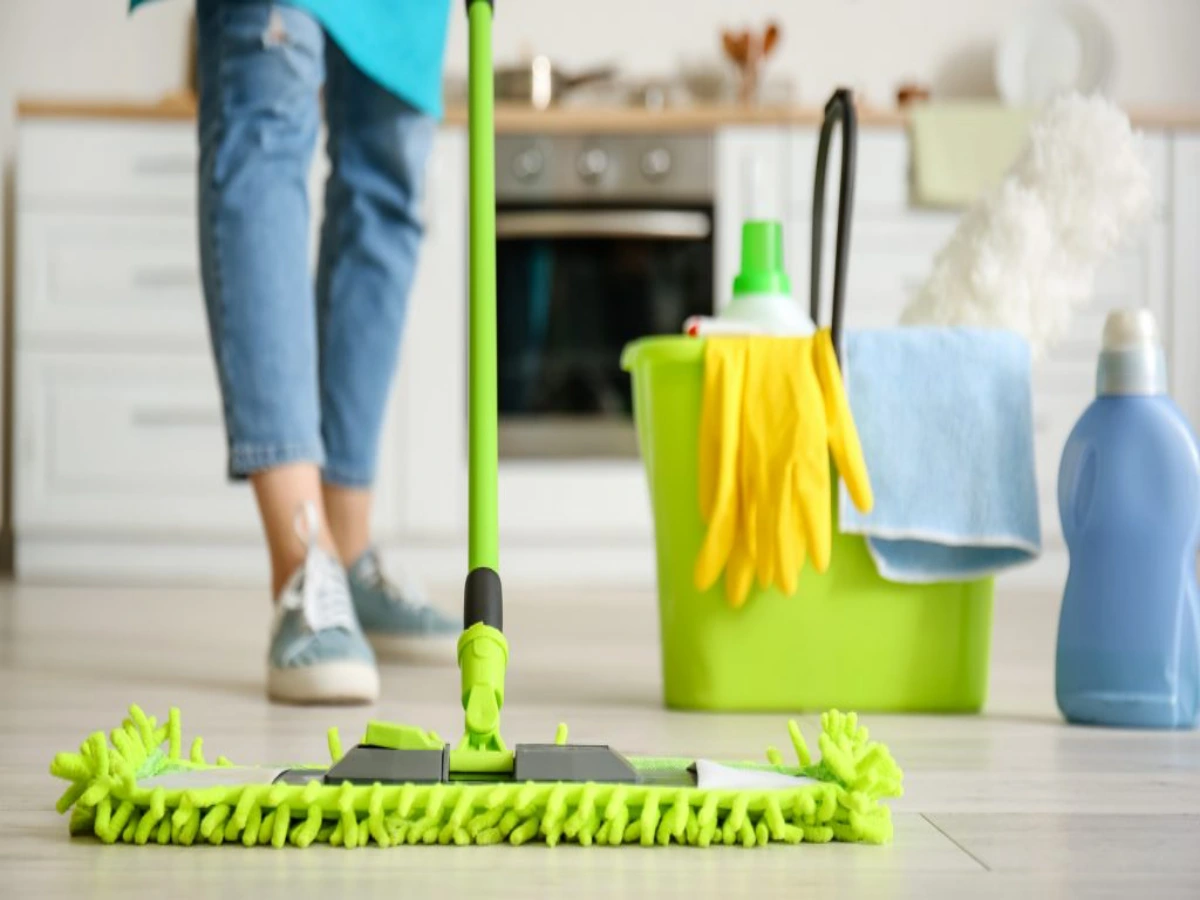
Invest in a microfibre mop for daily and weekly cleaning. These tools effectively trap dust and dirt without introducing excess moisture. When mopping, use a pH-neutral cleaning solution suitable for LVT floors.
Avoid harsh chemicals or abrasive cleaners that could compromise the floor's protective layer. These can strip away the protective coating, making your flooring more vulnerable to damage. Always follow manufacturer recommendations and test new cleaning products in a small, inconspicuous area first.
Cleaning Technique Steps:
-
Fill a bucket with warm water and recommended LVT floor cleaner
-
Wring the mop thoroughly to ensure it's damp, not wet
-
Mop in a systematic pattern, working from one side of the room to the other
-
Rinse the mop frequently to prevent dirt redistribution
-
Change the water if it becomes visibly dirty
-
Allow the floor to air dry completely
Preventative Maintenance Strategies
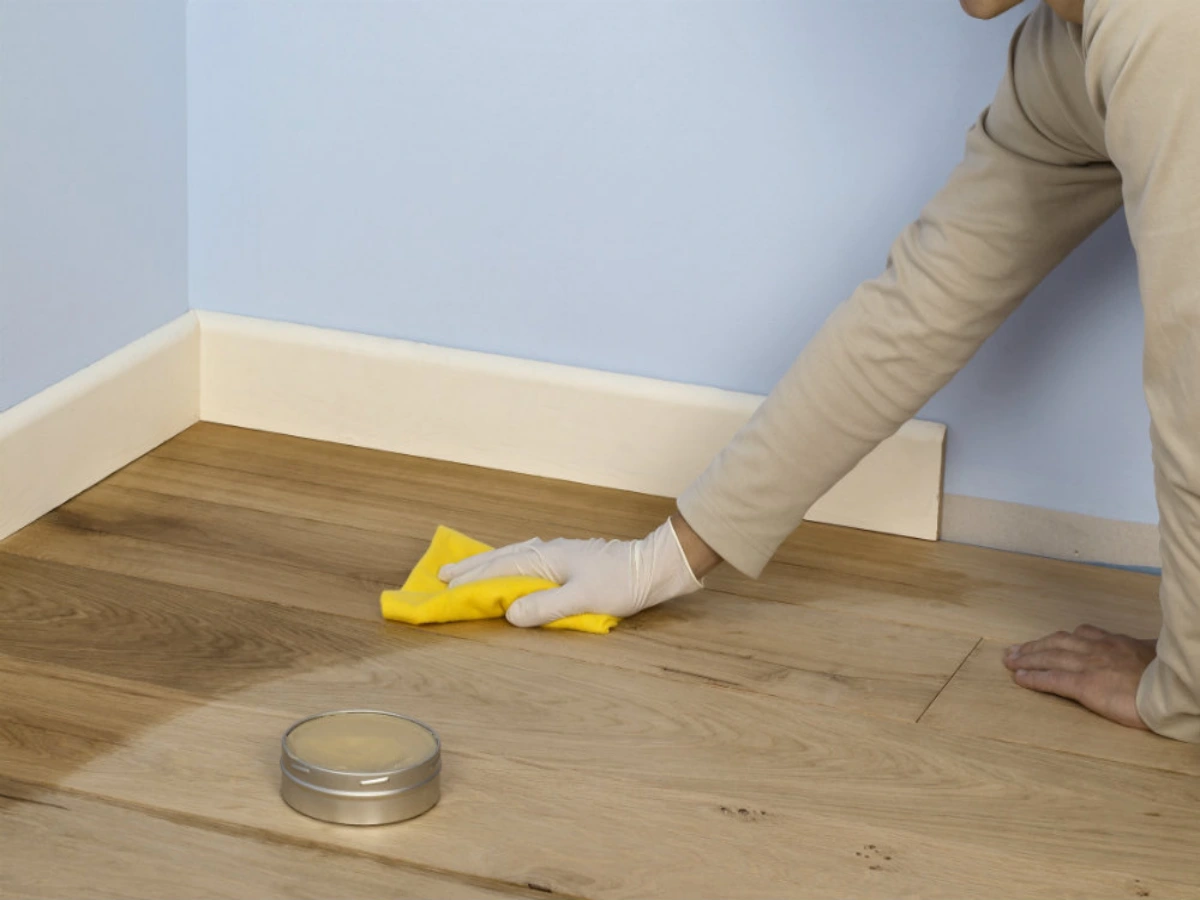
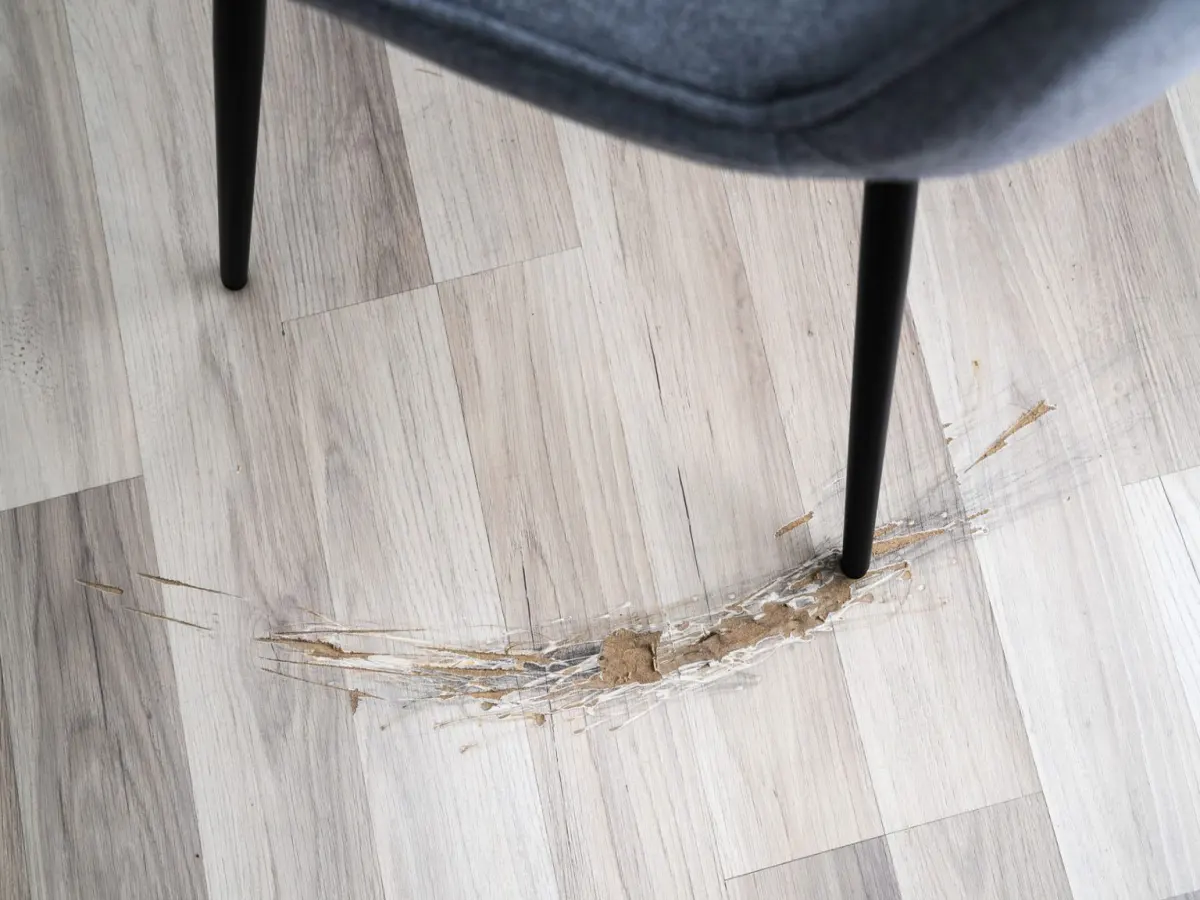
Strategic protection can significantly extend your floor's lifespan. Place soft felt pads under furniture legs to prevent scratching. For minor scratches, manufacturers often provide repair kits specifically designed for LVT flooring.
High-impact areas require special attention. Place area rugs or runners in zones with frequent foot traffic, particularly near doorways and hallways leading to the living room. These protective coverings reduce direct wear on the LVT surface. For homes with pets or children, consider implementing a no-shoes policy to minimise potential damage.
Deep Cleaning
Professional deep cleaning can also help maintain the pristine condition of your LVT flooring. While daily maintenance prevents surface dirt accumulation, periodic thorough cleaning removes embedded grime and restores the floor's brilliance.
Consider engaging a professional hard-surface cleaning company on an annual basis to keep your LVT looking as close to new as possible, for longer.
Stain and Spill Management
Accidents happen, but quick action prevents permanent damage. For liquid spills, blot immediately with a clean, soft cloth. Avoid rubbing, which can spread the stain and potentially damage the floor's surface.
For tougher stains like red wine or mud, use a manufacturer-recommended cleaner. Always test cleaning solutions in an inconspicuous area first to ensure they won't discolour or damage the flooring.
Preventing and Addressing Damage
LVT flooring is remarkably durable, but like any surface, it's not entirely impervious to potential damage. Understanding how to prevent and address common issues can significantly extend your own stone flooring's lifespan and maintain its pristine appearance.
Temperature and Humidity Considerations
Maintain consistent indoor temperatures between 15-27°C. Extreme fluctuations can cause LVT to expand or contract, potentially leading to gaps or buckling. Use a hygrometer to monitor humidity levels, aiming for 35-65% relative humidity.
Long-Term Maintenance Insights
Professional Care and Maintenance
While LVT flooring is designed for low maintenance, professional care can significantly extend its lifespan and preserve its aesthetic appeal. Annual professional inspections offer comprehensive assessment and preventative maintenance that goes beyond regular household cleaning.
It's essential to consult your specific flooring manufacturer for guidelines and consider your household's unique conditions to determine the correct maintenance schedule.
Repair and Replacement Guidance
LVT flooring is designed for durability, but understanding repair and replacement strategies ensures long-term performance and aesthetic appeal. Most manufacturers provide comprehensive warranties covering manufacturing defects, typically ranging from 10-25 years depending on the product quality and brand.
Conclusion
Maintaining your LVT living room floor doesn't require extensive effort, just consistent, thoughtful care. By implementing these strategies, you'll not only protect your investment but also ensure your living space looks immaculate with minimal work.
Want to see how simple premium flooring can be? Lumber King invites you to experience the difference with our unlimited free LVT floor sample. Discover your perfect LVT living room flooring – no commitment, just quality you can touch and feel.


